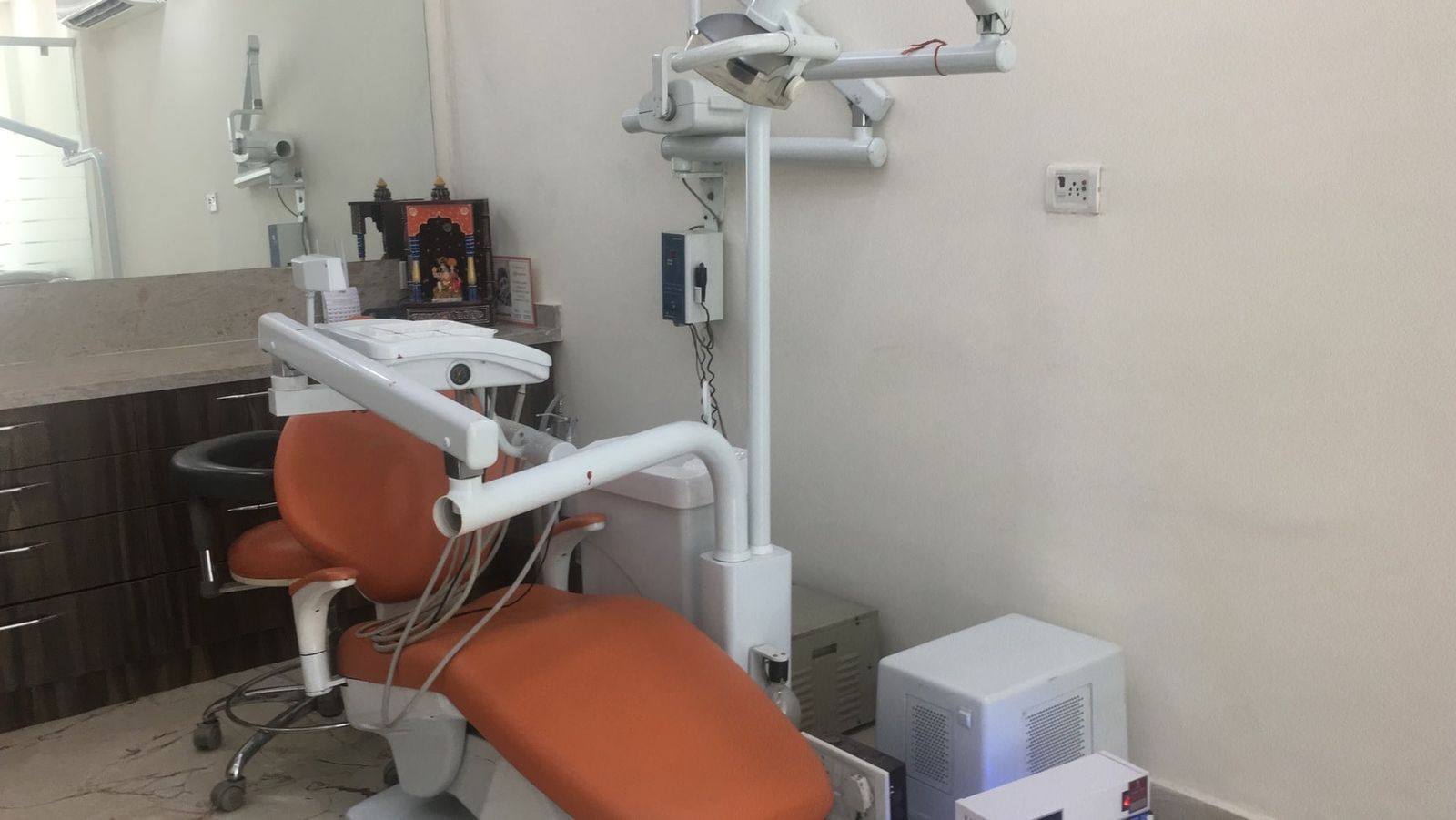
A tooth may need to come out if
- It is too badly decayed to be repaired with a filling, a root canal treatment or a crown
- It has become very loose, often because of long-standing gum disease
- An infection in the tooth keeps coming back and the tooth cannot be restored
- A wisdom tooth is stuck under the gum or growing at an angle, and keeps causing pain or swelling
- The gum over a wisdom tooth gets infected again and again
- A wisdom tooth is causing decay or damage in the tooth in front of it
What an extraction is
An extraction is the removal of a tooth from its socket, the hollow in the jawbone that holds the root. It is done when a tooth is too damaged, too loose or too badly placed to be kept. Dr. Gaba first checks whether a filling, a root canal treatment or gum treatment could save the tooth.
Wisdom teeth are the last teeth at the back of the mouth. They usually appear between the late teens and the mid twenties, and often the jaw has no room left for them. A wisdom tooth that is stuck in the gum or bone, or is growing at an angle, is called an impacted tooth. It can trap food, and the gum around it can swell and get infected. Not every wisdom tooth has to go. One that has come through fully, is easy to clean and gives no trouble can usually stay.
Some teeth can be loosened and lifted out whole. This is a simple extraction. Others need a surgical extraction, where the dentist makes a small cut in the gum and may remove a little bone or divide the tooth into pieces so that it comes out with less force. Both are done under local anaesthesia, an injection that numbs the area while you stay awake.
How the visit goes
An extraction is usually finished in one visit. A surgical extraction takes longer in the chair, and you may be asked to come back so the area can be checked or stitches removed.
-
Examination and X-ray
Dr. Gaba checks the tooth and takes a digital X-ray to see the roots and the bone around them. Tell her about any health conditions, allergies or pregnancy, and any medicines you take, especially blood thinners. Do not stop a medicine on your own. She tells you whether the tooth needs to come out or can be saved.
-
Numbing the area
A local anaesthetic numbs the tooth and the gum around it. You stay awake. You should feel pushing and pressure, but not sharp pain. Tell her if you do.
-
Loosening and removing the tooth
She loosens the tooth in its socket and lifts it out. A tooth that is firm, badly decayed or impacted may need a small cut in the gum and may be taken out in pieces. This is a surgical extraction.
-
Stopping the bleeding
If the gum was cut, it may be closed with a few stitches. You then bite on a gauze pad so that a blood clot forms in the socket. The clot is what lets the area heal.
-
Instructions and prescription
You are told how to look after the area for the next few days. Your prescription and X-ray report are sent to you on WhatsApp.
Extractions at Dental Solutions
Extractions are done under local anaesthesia, usually after a digital X-ray of the tooth.
Generally doctors directly suggest removal of wisdom tooth but she suggested gums surgery initially and I appreciate her genuineness.
Looking after the area afterwards
- Keep biting on the gauze for as long as you are advised, and do not chew until the numbness wears off, which takes a few hours
- Do not rinse, spit forcefully, drink through a straw or do heavy exercise for the first 24 hours. This protects the blood clot in the socket
- Do not smoke or chew tobacco for at least the first few days. It slows healing. Avoid alcohol on the first day and for as long as you are taking the prescribed medicines
- Eat soft, cool food on the first day and chew on the other side. Avoid hot, hard and spicy food until the area feels comfortable
- From the next day, rinse gently with warm salt water after meals. Brush your other teeth as usual and keep the brush away from the socket
- Some soreness and swelling for a few days is common, more so after a surgical extraction. Take the medicines exactly as prescribed
- Call the clinic if bleeding does not stop after you bite firmly on clean gauze for 30 minutes, if pain gets worse after two or three days, or if you have fever or growing swelling
- If you have trouble breathing or swallowing, or bleeding that will not slow down, go to a hospital emergency department straight away
Common questions
Does a tooth extraction hurt?
The tooth and gum are numbed with a local anaesthetic before Dr. Gaba begins. You will feel pushing and pressure, but you should not feel sharp pain. Tell her if you do. Once the numbness wears off, some soreness for a few days is normal and is managed with the medicines she prescribes.
Do all wisdom teeth need to be removed?
No. A wisdom tooth that has come through fully, can be cleaned and causes no trouble can usually stay. Removal is advised when it keeps getting infected, is decayed, or is harming the tooth next to it. Dr. Gaba may advise treating the gum around it first.
How long does it take to heal?
The gum usually closes over the socket in a few weeks, and the bone underneath fills in slowly over the following months. After a simple extraction most people are back to their normal routine in a day or two. A surgical wisdom tooth removal often takes a few days longer to settle.
What is a dry socket?
A dry socket happens when the blood clot in the socket is lost too early and the bone is left exposed. It causes a deep, throbbing pain that usually starts a few days after the extraction. It is more common after lower wisdom tooth removal and in people who smoke. It can be treated, so call the clinic if your pain gets worse instead of better.
Will I need to replace the tooth?
Wisdom teeth are not replaced. For other teeth, a gap can let the neighbouring teeth drift and can make chewing harder, so replacing the tooth is usually worth discussing. A bridge or a denture can fill the gap. Dr. Gaba will explain what suits you once the area has healed.
How much does a tooth extraction cost?
It depends on the tooth and on whether it can be removed simply or needs a surgical extraction. Ask for an estimate at your consultation, once Dr. Gaba has examined the tooth.